
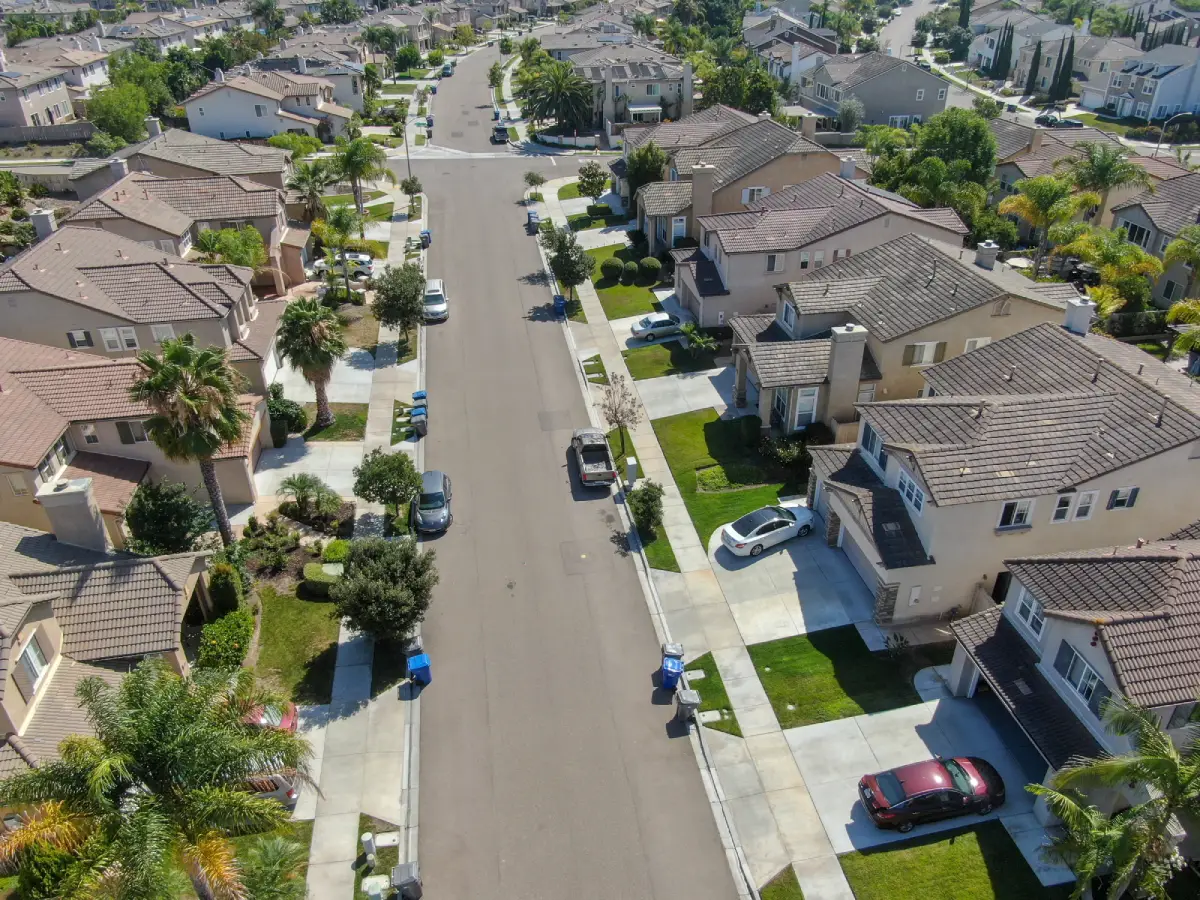
High mountain living comes with high expectations. In many Breckenridge associations, the challenge is not a shortage of tools or services. It is getting homeowners to actually use them. Even well-funded communities can struggle with participation, leaving amenities underused and long-term plans underappreciated.
Through our board transition systems, we have seen how consistency and structure can revive engagement. When communication improves and leadership feels steady, homeowners begin to notice the resources already available to them.
Across the country, HOAs remain a dominant force in residential living. In fact, 40.5% of homes listed for sale are located in associations, according to 40.5% of homes listed for sale. That level of participation makes it clear that community management plays a significant role in property values and homeowner satisfaction.
Below, we break down why resources in Breckenridge HOAs often go unused and how we help boards bring them back to life.
When Homeowners Simply Don’t Know What Exists
Even the best amenities lose impact when residents are unaware of them. In Breckenridge, where many communities include second homes and seasonal residents, communication gaps widen quickly.
Clear, consistent outreach changes that dynamic.
Common awareness barriers include:
- Outdated portals or websites that homeowners rarely check
- Welcome packets that overwhelm rather than guide
- Email updates that lack focus or clear calls to action
- Limited promotion of events, services, or shared amenities
We encourage boards to rethink how information is delivered. Short updates, visual summaries, and recurring reminders tend to drive far better engagement than long policy documents. When homeowners understand how amenities and services fit into their mountain lifestyle, participation increases naturally.
Reframing Rules and Dues as Community Investments
In strictly HOA communities, rules and financial contributions are often viewed through a narrow lens. That perspective can limit engagement.
Making the Financial Picture Clear
When dues feel abstract, homeowners question their value. Transparent budgeting and regular updates on reserve funding help close that gap. Our work around reserve planning strategies helps boards explain how proactive financial management prevents sudden assessments and supports long term stability.
Residents respond differently when they see where every dollar goes. They are more likely to attend meetings, review updates, and respect guidelines that protect shared assets.
Consistency Builds Trust
Uneven enforcement creates frustration. When guidelines are applied consistently and respectfully, trust grows. Trust leads to cooperation, and cooperation strengthens the entire community.
We support boards by creating clear compliance processes and communication templates that reduce confusion. When expectations are predictable, homeowners engage with the association rather than withdraw from it.
Aligning Amenities With Breckenridge Living
Breckenridge communities are shaped by snow seasons, tourism patterns, and a mix of full time residents and part time owners. Amenities must reflect that reality.
Adjusting to Seasonal Rhythms
Winter access concerns, snow removal priorities, and shared maintenance expectations often differ from summer needs. Associations that adapt programming and communication to seasonal patterns see higher participation.
For example, sustainability projects resonate strongly in mountain communities. Our insights on mountain community initiatives show how environmentally focused upgrades can unite residents around a shared purpose.
Owners and Renters See Things Differently
In some Breckenridge associations, rental activity adds complexity. Nationally, 34.8 percent were renter-occupied housing units, according to the Insurance Information Institute, as noted in 34.8 percent were renter-occupied. That mix influences engagement levels.
When renters are unaware of community standards or amenities, participation drops. We encourage boards to create clear orientation materials for both owners and tenants, ensuring everyone understands expectations and available resources.
Strong Onboarding Sets the Tone
First impressions shape long term involvement. When new homeowners receive scattered information or dense rulebooks without context, they often disengage early.
A better onboarding approach includes:
- A concise welcome guide outlining top amenities and key contacts
- A summary of maintenance standards and architectural guidelines
- A financial snapshot explaining dues, reserves, and major projects
- Clear instructions for accessing portals and submitting requests
Through our self managed HOA support, we help boards streamline these materials so they feel approachable rather than overwhelming.
When homeowners understand how shared standards protect their investment and simplify ownership, they are more likely to participate in meetings and volunteer efforts.
Updating Amenities and Engagement Channels
Some resources lose traction simply because they no longer match homeowner expectations.
Rethinking Community Spaces
A clubhouse or shared facility that once felt central may now sit empty. Instead of assuming residents lack interest, boards should evaluate whether scheduling, programming, or layout needs adjustment.
Community surveys and informal feedback sessions provide insight. Small changes, such as flexible reservation systems or seasonal events tied to local festivals, can dramatically increase participation.
Modernizing Access and Communication
Technology gaps often stand in the way of engagement. If submitting maintenance requests requires multiple steps or logging into outdated systems, homeowners will avoid it.
We work closely with board members through our board member resources to modernize communication platforms, streamline approvals, and simplify document access. When interaction feels easy, residents are far more likely to stay involved.
Preventing Volunteer Burnout
In many associations, a small group of dedicated board members carries most of the responsibility. Over time, that imbalance limits outreach and innovation.
Short introductions to each meeting agenda item, realistic timelines for projects, and clearly defined roles reduce pressure. Boards that share responsibilities evenly tend to communicate more consistently and respond more quickly to homeowner concerns.
Professional HOA management also helps distribute the workload. With structured reporting, vendor coordination, and compliance tracking handled efficiently, volunteer leaders can focus on strategy and community building rather than daily administrative details.
Encouraging Ongoing Feedback
Engagement thrives when homeowners feel heard. Without feedback channels, boards may continue investing in initiatives that no longer resonate.
Simple methods work best:
- Annual satisfaction surveys with targeted questions
- Open forums focused on one topic at a time
- Follow up summaries after meetings highlighting key decisions
When residents see their input reflected in actual changes, confidence grows. That confidence strengthens attendance at meetings and increases respect for association guidelines.
FAQs about HOA Engagement in Breckenridge, CO
Why do some HOA amenities in Breckenridge go unused even when they are well-maintained?
Limited communication, seasonal residency patterns, and unclear promotion often prevent homeowners from recognizing how amenities fit into their daily lives, reducing participation even when facilities are in excellent condition.
How can HOA boards increase meeting attendance in mountain communities?
Clear agendas, practical updates, and concise follow-up summaries help residents see the relevance of each meeting, especially when topics directly connect to property values and seasonal concerns.
What role does onboarding play in long-term homeowner engagement?
A structured welcome process introduces key services, financial information, and maintenance standards early, setting expectations and encouraging homeowners to participate consistently from the start.
How can associations balance the needs of full-time residents and part-time owners?
Flexible communication methods, digital access to documents, and seasonally adjusted programming help ensure that all homeowners, regardless of residency status, stay informed and connected.
Why is consistent rule enforcement important for participation?
When guidelines are applied fairly and transparently, trust increases, which encourages homeowners to respect shared standards and take a more active role in community life.
Elevate Engagement and Strengthen Your Breckenridge HOA
Underused resources do not signal failure. They signal opportunity. With clearer communication, thoughtful onboarding, updated systems, and steady leadership, Breckenridge associations can transform overlooked amenities into meaningful benefits that protect property values and foster pride.
At PMI Breck, we focus strictly on HOA management, helping boards create structure, transparency, and lasting engagement. When your association is ready for experienced guidance and stronger day-to-day support, take the next step and partner with our HOA management team to move your community forward with confidence.
